The Rise of Micro-Cheating: Are Dating Apps Fueling a New Kind of Infidelity?
It is not quite an affair, but it is not nothing either. Inside the small, deniable behaviors that dating apps have quietly normalized, and why so many couples are arguing about them in 2026.
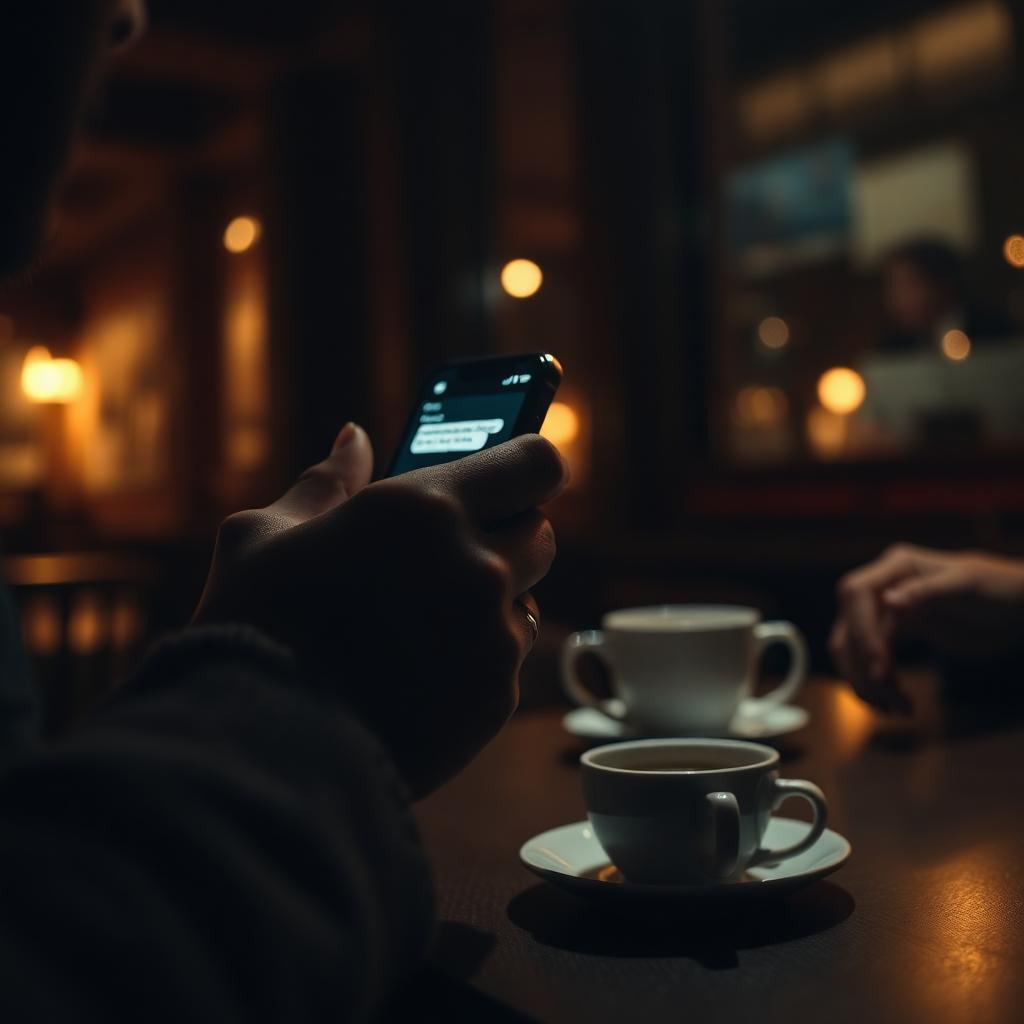
A few years ago, infidelity had a fairly clear shape. There was a person, a place, a lie about where you actually were on Thursday night. You either crossed the line or you did not, and most couples could agree on roughly where that line sat.
Then the apps moved in. Not just dating apps, but the entire pocket-sized ecosystem of DMs, story replies, fire emojis, late-night voice notes and saved profiles. And the line, almost without anyone deciding it, got blurry. Welcome to micro-cheating, the most argued-about relationship topic of 2026.
So what actually counts as micro-cheating?
Micro-cheating is the umbrella term for small, deniable behaviors that would absolutely bother your partner if they saw them, but that you can technically explain away. Keeping a Hinge profile open just to look. Liking the same person's photos every single week. Replying to an ex's story with something a little too warm. Telling a coworker things you have not told your partner. Swiping in airport bathrooms because, well, you are not going to do anything about it.
Nothing in that list ends up in a hotel room. That is the whole point. Each individual act is small enough to defend, which is exactly why it has become so common. You can do twenty of them in a week and still tell yourself, with a straight face, that you have never cheated on anyone.
Your partner, of course, may have a different opinion.
Why dating apps are pouring fuel on this fire
Dating apps were designed to make the dating market feel infinite and frictionless. That same design does not switch off the moment you enter a relationship. The dopamine loop is still there. The notifications still hit. The next person is always one swipe away, even when you are not actually looking for them.
A lot of people in 2026 are not deleting their accounts when they get serious. They are hiding them, pausing them, or simply leaving them dormant and logging back in during slow afternoons. The apps know this and quietly optimize for it. Some now let you go invisible, freeze your profile, or set a status that says you are taken while still browsing. The product itself has started catering to the in-between user, the one who is not single but is not done looking either.
And then there is the messaging layer. Instagram, TikTok, Snapchat, Discord. You no longer need a dating app to have a parallel romantic life. You just need a curated grid and the patience to reply to stories at 11pm.
The deniability problem
The thing that makes micro-cheating so corrosive is not the behavior itself. It is the argument that follows when it gets noticed.
If your partner finds out you spent the night in someone else's bed, the conversation is painful but at least it is concrete. If they find out you have been sending heart emojis to the same person for four months, the conversation immediately becomes a debate about what hearts mean, whether emojis count, whether you were ever really going to do anything, and whether they are being insecure for bringing it up at all.
Micro-cheating shifts the fight from what happened to whether what happened was even a thing. That is not a fairer fight. That is a worse one, because it ends with the person who got hurt also feeling crazy for being hurt.
A simple test most couples are not using
There is a clean way to tell whether something you are doing is micro-cheating, and it does not require a panel of experts. Imagine your partner is sitting next to you, watching your screen in real time. Would the behavior change? Would you close the tab, lock the phone, switch apps, or quietly rephrase the message you were about to send?
If the answer is yes, the behavior is already telling you what it is. The secrecy is the part that hurts, not the pixels.
It works the other way too. If you can honestly say you would happily hand them the phone mid-conversation, then it is probably fine, and you can stop spiraling about it.
What to do if you suspect it is happening to you
The hardest part of being on the other side of micro-cheating is that you rarely have a single smoking gun. You have a hundred tiny moments that only add up if you say them out loud, at which point you sound paranoid even to yourself.
Before you bring it up, it is worth quietly answering the basic factual question first: is there an active profile out there, yes or no. DoTheyCheat was built for exactly that. You give it a first name, an age range, and a city, and it checks the major dating apps in one pass without you ever creating an account or alerting the person being searched. The result is a single, calm report instead of another week of guessing.
If it comes back clean, you have permission to set the suspicion down and have a different kind of conversation, one about emotional availability rather than secret accounts. If it does not come back clean, you are no longer arguing about vibes. You are talking about a profile with a timestamp.
The line we are all quietly redrawing
Every generation has had to renegotiate what loyalty actually means once a new technology gets involved. Phone calls did it. Text messages did it. Social media did it. Dating apps are just the most honest version yet, because they put the alternative right in your pocket and ask you to choose, every day, on purpose.
Micro-cheating is not a moral panic and it is not nothing. It is the slow drift that happens when a relationship has to compete with a feed that was engineered to be more interesting than your partner on a Tuesday night. The couples who are doing well in 2026 are not the ones with the strictest rules. They are the ones actually talking about what the rules even are, before the apps quietly write them on their behalf.

Alina writes about modern dating, digital trust, and the small signals that tell you what a relationship really looks like. She has spent years helping readers navigate the messy overlap between apps and intimacy, with a focus on calm, practical advice over drama.
Stop guessing. Start knowing.
Run one quiet search across Tinder, Bumble, Hinge and more. No account needed, no notification to them, just a clear answer in minutes.
Run a search on DoTheyCheatDiscreet. They will not be notified.
You may also like
All posts → How To
How to Use a VPN to Anonymously Search for Someone's Dating Profile
 How To
The Most Common Lies People Tell on Dating Profiles and How to Verify Them
 Relationships
Is It Cheating If They Never Met in Person? The Truth About Emotional Affairs on Dating Apps
 How To
From Suspicious to Certain: A Step-by-Step Guide to Finding Hidden Dating Profiles